1. Could you please introduce yourself?
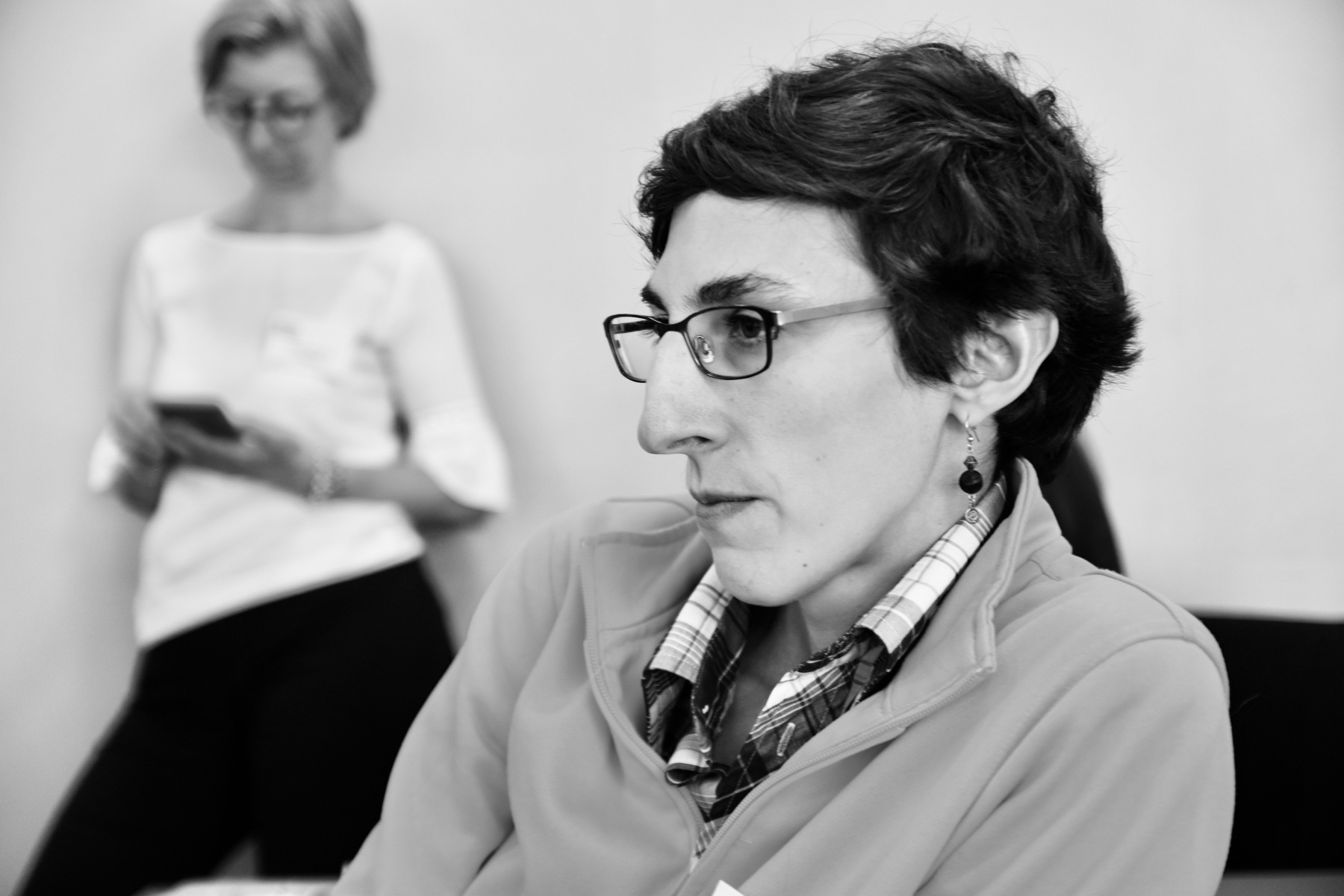
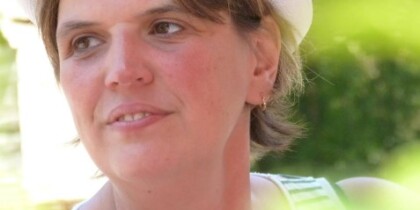
My name is Lauriane Janssen. I have Marfan Syndrome and since 2017 I have been President of the Marfan Europe Network. I’ve been active with the Belgian Marfan Syndrome Association for almost 10 years as the scientific contact for Marfan issues, thanks to my background in biomedical sciences.
2. Why do you support the 101 Genomes Foundation’s 101 Genomes Marfans Project?
For many years now, I’ve been closely following research into Marfan syndrome, and as a scientific researcher, I understand the difficulties involved.
The main causes of problems in research are often : funding, collaborations and access to samples/patients. Thanks to the formation of the P101G and F101G, these 3 problems have already received a big boost ! First an excellent group of specialists was assembled, and they were able to define the scientific criteria necessary for the success of this project. SecondF101G has already succeeded in raising a large part of the funds needed to launch the project, and will continue to contribute throughout. ThirdThe collaboration of both Marfan medical centers and international Marfan associations throughout the project will enable us to recruit patients who meet the preliminary inclusion criteria defined by the Scientific Committee, and to expand the cohort as these criteria evolve over the course of the project. These features are key ingredients in the success of the P101G.
3. As someone affected by Marfan syndrome, what do you expect from the 101 Genomes Project?
In any field, I believe it’s always better to understand how something works, so that you can improve it. In the case of Marfan syndrome, the discovery of Fibrillin-1 as the cause of the disease in 1991 was a huge breakthrough for patients, but did not lead to a cure, and there are still many grey areas as to the reason for the different phenotypic manifestations caused by the same mutation in the same family. Understanding these differences would boost the assessment of personalized risks (and treatments) for affected individuals, and open the door to future treatment possibilities for the syndrome.
4. As a scientist, what do you expect from the 101 Genomes Foundation’s 101 Marfans Genomes Project?
In addition to the answers I hope P101G will bring to the world of Marfan , P101G paves the way for similar research into other (rare) diseases and the understanding of them.. Given the current state of scientific knowledge/possibilities, I believe that genomic sequencing (at reduced cost) will make it possible to answer many scientific questions for all kinds of diseases.
There’s nothing like developing new technologies or new large-scale applications for available technologies, to answer questions that have been left unanswered for so long !