Three mic.brussels computer scientists intern at the 101 Genomes Foundation
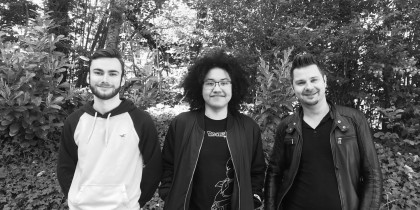
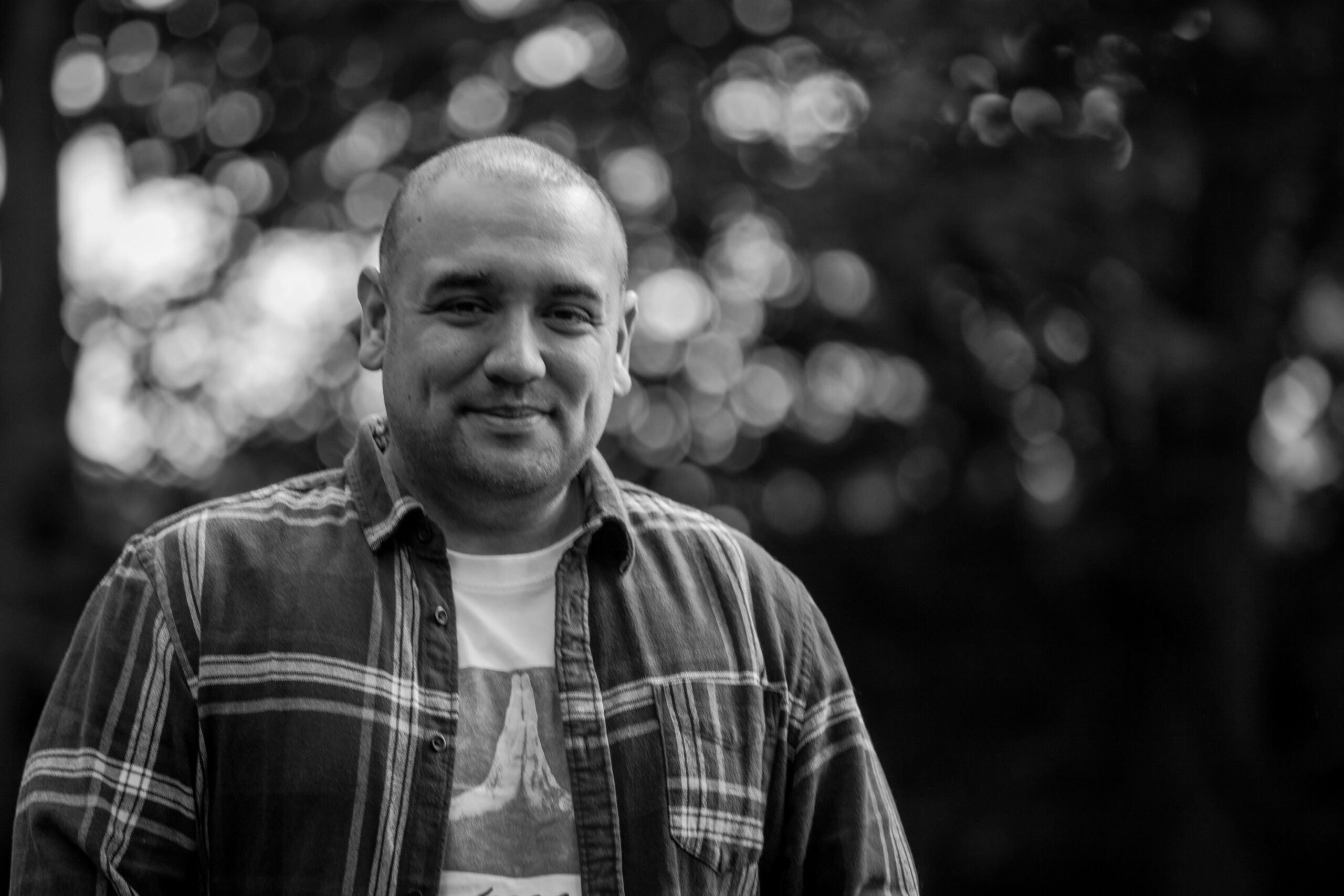
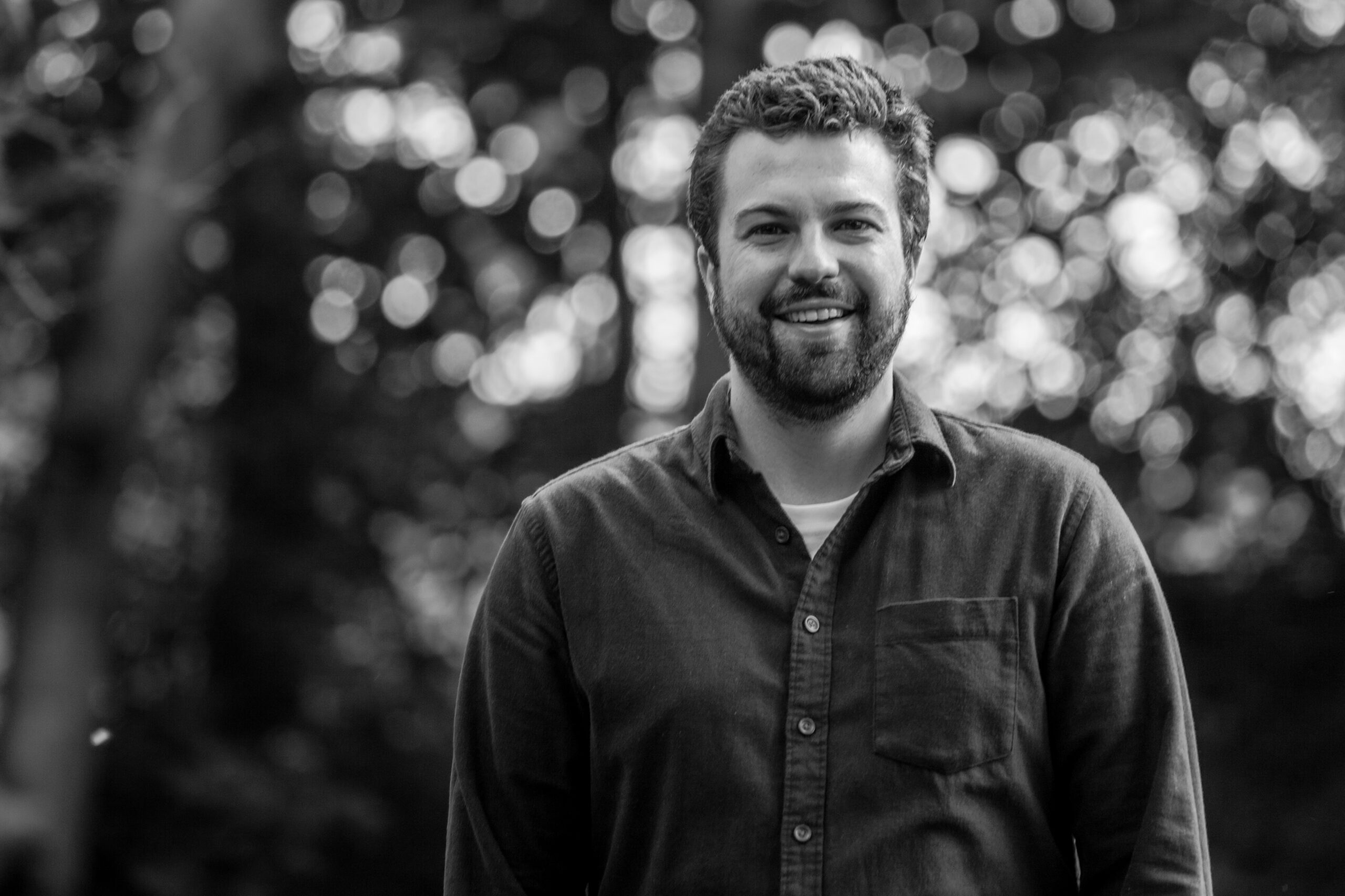
For four months, the 101 Genomes Foundation (F101G) benefited from the help of three young computer scientists who came to develop a new concept as part of an internship organized by mic.brussels (My innovation center.Brussels). Every year, mic.brussels collaborates with Brussels’ IT schools, from which it selects the best profiles to take part in its innovation program. For example, mic.brussels brings together young developers and Brussels-based companies to nurture an IT ecosystem in Brussels. In 2021, the F101G was able to accelerate its IT development by joining the mic.brussels innovation program. Sabine, for the F101G, met mic.brussels trainees Luis Save Lara (LSL), Matthieu Kisiel (MK) and Fabien Hance (FH) to discuss their experience with the F101G.
What training have you taken ?
LSL : The three of us are finishing a bachelor’s degree in business computing – programmer analyst at the EPFC in Brussels. We did our internship with F101G as part of our training. At EPFC, we train to be developers in three years. We mainly take programming courses, but also courses in accounting, SAP, communication, copyright and computer networking. We benefit from the experience of incredible teachers who are extremely competent and motivating.
FH: On a personal note, I’d like to add that after my business studies and initial professional experience, I really came to realize the importance of IT, both for a sales site and for the development of machines and so on. So, to understand a little more about this world, which seemed complicated to me, I enrolled in evening classes for the bachelor’s degree in business computing at EPFC.
What did mic.brussels offer you in addition to your training ?
LSL: mic.brussels helped me find an internship, which isn’t easy during the covid period. Thanks to the help of the mic.brussels coaches, I learned how to use the Azure platform and I also deepened my knowledge as a full stack developer.
MK : I discovered mic.brussels during a video conference. I applied and then passed the selection process. Above all, mic.brussels offers supervision and support during the internship, including additional training and the certainty of having enough practice to validate the internship at the end of the course.
FH : After applying, we had a two-part test : first a 3-hour technical development exercise and then an interview. Then mic.brussels put us in touch with the 101 Genomes Foundation.
How is your internship organized ?
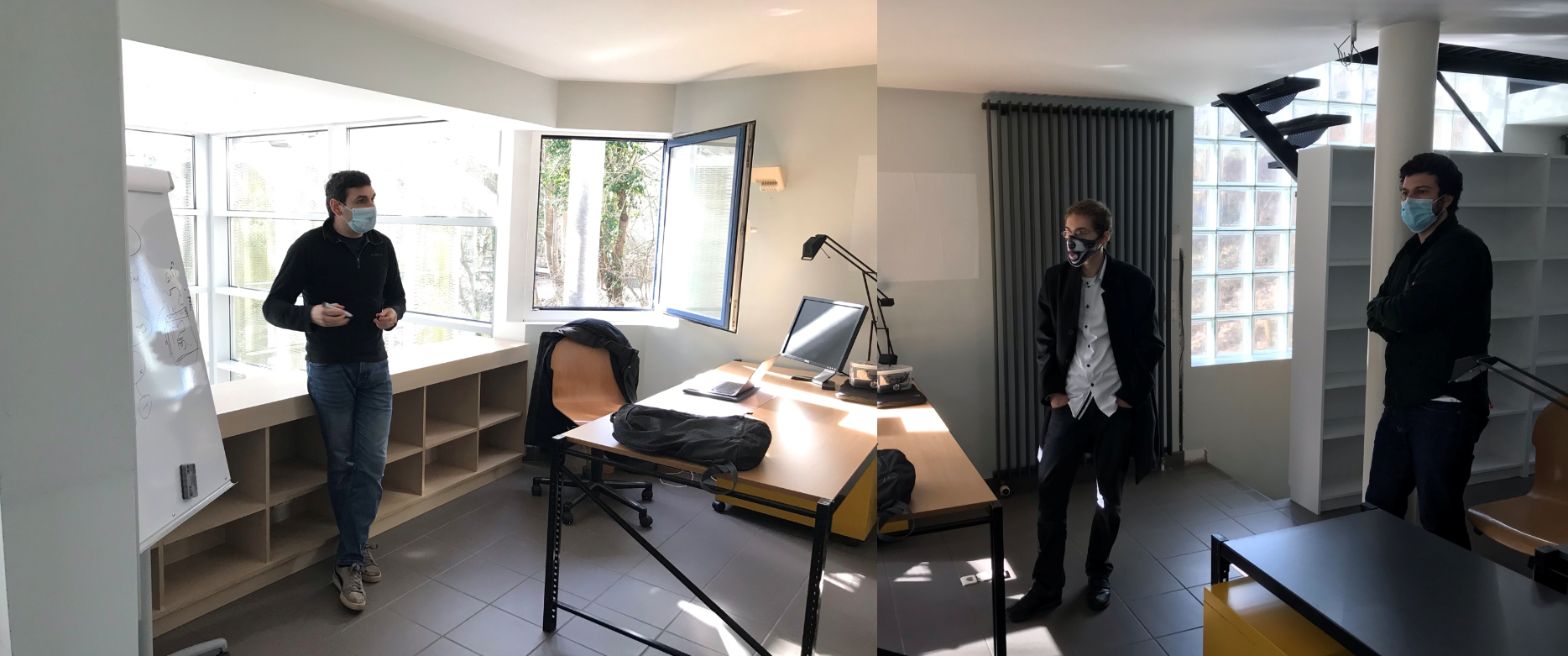
LSL : We work full-time : two days a week at mic.brussels and three days at the 101 Genomes Foundation. Regular meetings are held between mic.brussels and F101G to discuss difficulties and how to overcome them. The 2 days at mic.brussels are dedicated to working for the Foundation but under the supervision of our coaches.
FH : Four or five coaches, each with expertise in different areas, such as databases, the more visual aspects, etc., supervised us. Every week, there was a status report and a follow-up that enabled us to see the timing, the objectives and to achieve them, a bit like a metronome. This is important because sometimes we get bogged down in details. Here, we were starting from a blank page in terms of development… so it was important to have the support of coaches, both to help us with technological choices, and to give us an opinion or put us on the right track in case of problems.
What were the highlights of your internship? And what will you learn from it for the rest of your career? professional ?
LSL : A rewarding internship, both professionally and on a human level. The F101G’s values are ones I share 100%. I learned a lot about the human genome and its hidden potential, which has yet to be fully exploited. I’ve learned that working in a small structure and carrying out a project from scratch is the path that suits me and that I’ll be following for the rest of my career.
MK : I learned both technical things about the technology used and about genetic research. What I’m going to take away from this internship for my career is the experience I’ve gained in terms of follow-up with the customer for whom the project is being developed. So you have to keep talking to the customer, asking him if you understand what he wants. It’s something I’ve always heard, but never experienced. It’s not difficult to do this, but it does require a constant effort to keep in mind.
FH : It’s rewarding to be able to work for a Foundation, for a cause. Secondly, this isn’t my first professional experience. And I’ve found some similarities here, like the fact that you’re part of a small team where everyone is a bit multi-functional, so you learn a lot. And in this type of structure, you need to be autonomous. You also need to know how to undertake things on your own, and not hesitate to suggest certain things and open up discussions. I’ve also learned a lot about genetics, the whole evolution of genomics and all the research results that flow from it. Maybe that’s an area I could work in, try to contribute something.
And the fact that you were three trainees, was it more difficult to organize ?
MK : The fact that there were three trainees helped us to move forward more quickly. It’s important for the pace of work and the atmosphere… we encourage and motivate each other.
FH : You have to learn to work in a group. It’s important to put a structure in place, to clearly define everyone’s role, and to use the right tools to pool work. If we don’t agree, there may be conflicts between the different files. At the end of the day, it’s all about bringing everything together without breaking everything else. It’s not always easy. And when the going gets tough, it’s always good to draw on the expertise of others. It’s instructive for what’s to come.
What do you think of the project you worked on ?
LSL : This is an ambitious project with a noble cause. Romain and Ludivine trusted us completely, which left us plenty of room for creativity in the design. It’s been a wonderful experience.
MK : As far as the project is concerned, I find it very interesting and I hope it will evolve to advance genetic research for rare diseases in particular. I’d like to see this one put to good use, because it’s got potential.
FH : The project we’ve been working on is a very ambitious one. The great thing is that we develop it from scratch. It’s super comprehensive, using everything we’ve learned in the course as well as new technologies. And it was rewarding to work with a real ” customer “, with a very concrete objective. Accommodation, for example. We had to examine the different technologies and their cost before choosing, in consultation with the team. This allows you to take the initiative.
Interview by Sabine Serck
Cette publication est également disponible en :